November 10 , 2026, Hong Kong

Kevin Suen shares practical insights on portfolio strategy, pricing, and evolving consumer trends shaping Hong Kong’s competitive fine wine market.
In the dynamic world of fine wines and premium spirits, few professionals bring both depth of knowledge and market insight quite like Kevin Suen. As Senior Sales Manager at EMW Fine Wines, he plays a key role in shaping how some of the world’s most respected family-owned wineries, sake breweries, and craft producers reach the Greater China market. Since its founding in 2003, EMW has grown into a leading importer and distributor, representing a vast portfolio of labels from multiple countries across an extensive network of cities throughout China. Armed with an impressive list of certifications, including DipWSET, FWS, IWS, SWS, and CSWS, Kevin combines technical expertise with a sharp commercial perspective. As he now prepares for the prestigious Master of Wine exam, he stands at an exciting point in his career, balancing rigorous study with the demands of one of Asia’s most competitive wine markets. We had the chance to sit down with him and hear his perspective on the fine wine retail market.
How do you drive portfolio performance across on-trade and retail channels in Hong Kong?
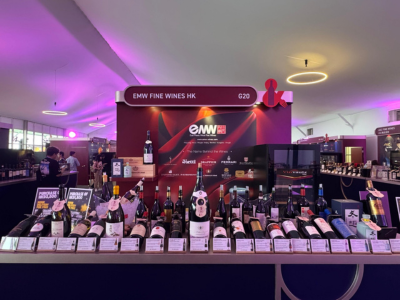
For on-trade and off-trade, I think maintaining a stable stock level is the top priority. Due to political issues and wars, we can expect more shipment delays in the future. We are trying our best to keep a consistent stock level so that we don’t run out of stock for any by-the-glass and by-the-bottle listings. Of course, we introduce new wines to the somms and wine buyers from time to time, but stability is more important at the moment.
Source: Kevin Suen
How would you describe your approach to positioning a diverse wine portfolio in a competitive and mature market like Hong Kong?
My approach is “maintain strong pillars, introduce new styles”. In a competitive and mature market like Hong Kong, wine drinkers are well-educated with wine knowledge and have a good amount of money ready to spend. In this case, “Maintain strong pillars” means you need to acquire classic brands that people already love and will naturally buy. For example, you need famous Bordeaux, Burgundy, and Champagne brands to survive in Hong Kong. These are the brands that sell themselves.
“Introduce new styles” means you need to spend some of your profit to acquire some non-classic and even niche brands to satisfy the curiosity of the more experienced drinkers. For example, you need organic, biodynamic, sustainable wines, orange wines, and wines made by female winemakers in your portfolio to capitalize on these new consumer trends. These are the brands that need more storytelling and hand-selling.
What key trends are you currently seeing in wine consumption across on-trade and retail in your market?
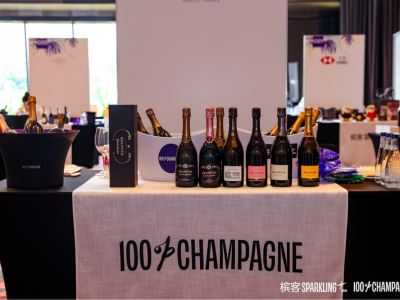
For on-trades in Hong Kong, French wines are still the best sellers. However, Burgundy and Champagne are growing stronger than Bordeaux now, and drinkers are more willing to try out new Burgundy and Champagne producers. Smaller trends include Jura and Savoie, Japanese and Chinese wines. For off-trades in Hong Kong, sales still focus on classic French, Spanish, and Italian wines and remain stable. However, the more famous the producers, the better the sales because shoppers always want the “safest options”.
Source: EMW Fine Wines
From a sales perspective, what differentiates a wine that performs consistently well from one that struggles, even if quality is high?
To me, brand recognition is a big clue. A consistent brand can remain in people’s minds for a long time, and people know their story well - people actually recognise the wine when they see the label. This will naturally drive sales, and people will develop brand loyalty for it. Of course, it takes time and effort from the producers and distributors to position the brand.
When introducing a new producer, what factors give you confidence that the brand will gain traction with both trade partners and consumers?
Price, quality, and style. You need a competitive price range to win the listings and shelf spaces, a high quality-to-price ratio, and a good range of styles to fit different settings of your clients.
How do you balance established regions and producers with newer, emerging regions within your portfolio?
Personally, I think for EMW, as a distributor & importer, we are around 70% old world classics, 20% new world classics, and 10% emerging regions.
What role does pricing strategy play in driving both volume and premium sales in Hong Kong?
For volume sales, as the product margins are usually higher, I usually provide a few different price brackets for clients according to the volume they decide to take. The more they can commit, the more discounts they get. We can be more flexible with pricing in this case.
For premium sales, we have very low product margins to start with. I usually price competitively according to Wine-Searcher. We have little flexibility with pricing in this case. Critically, we want to maintain healthy pricing for the industry. Selling wines at an unsustainable level is a way to drive sales in the short run, but this will kill the margin in the long-run.
What are the most effective sales or activation strategies that have delivered measurable results recently?
For on-trade and off-trade, staff training and incentive plans can work really well. Staff training ensures people know how to sell the products, and incentive plans like trips to wine regions help us win sales and strengthen relationships with clients.
For private clients, wine dinners and tasting events can bond people strongly. Clients will have more brand loyalty and will be willing to spend more time and money.
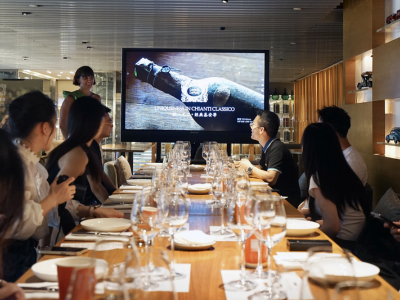
Source: EMW Fine Wines
How important are awards and competitions in supporting sales conversations and building brand credibility?
Awards and competitions are still very important in the wine industry. If the awards and competitions have high recognition and the wines score well, the wines will sell easily. In Hong Kong, Robert Parker and James Suckling are still considered important buying guides.
What advice would you give to producers looking to succeed in the Hong Kong and broader Asian wine market today?
Visit the market personally - go to the trade shows, visit the top restaurants and hotels, and meet the management team of the big players. Hong Kong and the Asian market share close relationships, and telling the story of the wines by yourself can make people remember.
Kevin’s insights make one thing clear: success in a market as sophisticated as Hong Kong comes down to balance, discipline, and genuine connection. From maintaining strong, reliable portfolios to carefully introducing new styles, his approach reflects a deep understanding of both trade partners and evolving consumer tastes. Whether it’s the importance of brand recognition, smart pricing strategies, or the power of storytelling and relationships, his perspective highlights the practical realities behind building lasting success in fine wine retail. As he continues his journey toward the Master of Wine, his outlook offers a grounded yet forward-thinking guide for producers and professionals looking to navigate not just Hong Kong but the broader Asian wine landscape.
Header image source: Kevin Suen
Also Read:
Why Hong Kong Leads Asia's Wine Trade: Key Reasons Explained
Key Trends Shaping the Alcohol Market in China and Hong Kong
What Makes a Wine Succeed in China’s On-Trade? Insights from the 2025 Judging Panel
The 2025 China Competitions results are now live. View 2025 winners.
Key Dates
Early Bird Deadline: July 31, 2026
Regular Deadline: October 14, 2026
Warehouse Deadline: October 22, 2026
Judging Date: November 10, 2026
Winners Announcement: November 24, 2026