November 10 , 2026, Hong Kong

Why Hong Kong’s dining rooms matter for global producers, and how HYGEA Management Limited reveals what really gets listed.
The China Wine Competition (CWC) continues to grow as one of the most trusted gateways for producers aiming to crack Asia’s complex on-trade market. What sets it apart is the focus on wines that perform in real venues. Wines are evaluated not only for quality, but also for value, drinkability, packaging, and consumer appeal, ensuring that medal-winners are immediately list-ready.
Hong Kong remains one of the most dynamic hubs in the region, both as a consumer market and as a re-export hub into Mainland China and beyond. With an increasingly sophisticated audience and a highly competitive dining scene, buyers here are focusing on authenticity, sustainability, and value-driven experiences. This makes the insights of judges like Dpminique invaluable to producers seeking to enter or expand across China and Hong Kong.
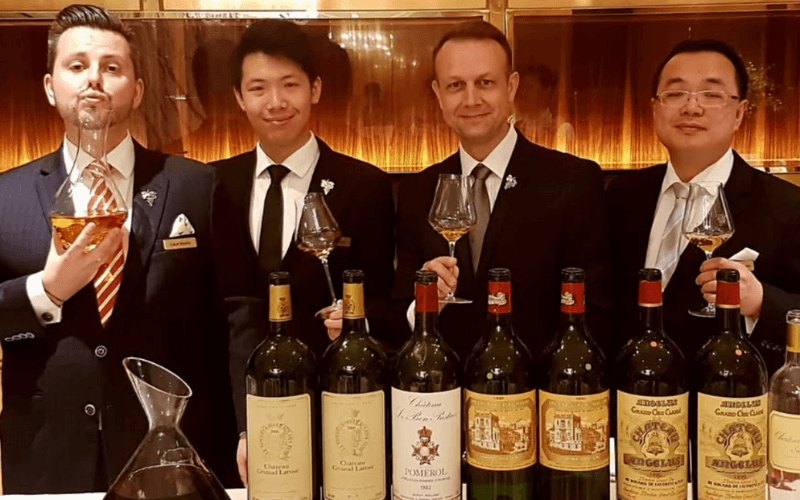
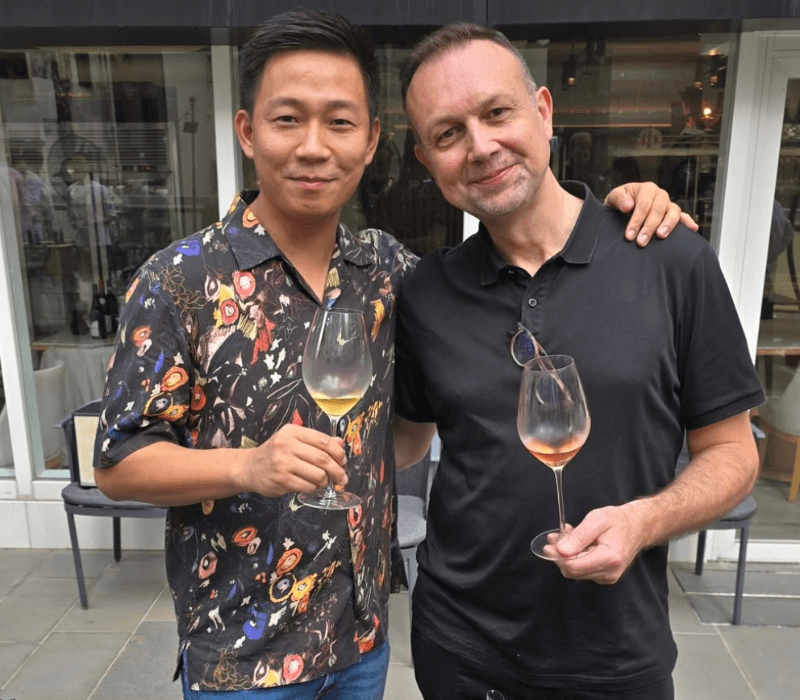
As Senior Manager in Wine Management and Buying, as well as Corporate and Private Sommelier for a major executive office in Hong Kong, Dominique Noël brings over three decades of global wine expertise to the table. His career spans Bordeaux, Paris, London, New York, and Hong Kong, with roles ranging from Sommelier and Buyer to Wine Quality Control Director and Market Analyst.
Why does this matter for producers? Because when Dominique selects a wine, whether for corporate cellars, private collections, or executive hospitality, it’s a stamp of credibility that bridges markets and cultures. His perspective reflects not only deep technical knowledge, but also an acute understanding of what resonates with today’s buyers and drinkers. For entrants, Dominique represents the kind of seasoned decision-maker whose judgment can signal that a wine is not just well-made, but commercially ready for sophisticated, international markets.
What makes a wine “list-ready” for your venue?
A: “Its drinkability and immediate satisfaction.”

In Hong Kong’s fast-moving dining rooms, wines must deliver instant appeal. Beyond technical precision, they need to feel approachable, memorable, and immediately rewarding for diners.
Top three evaluation factors in blind tasting
A: Balance, Structure, Drinkability.
Balance remains the foundation, while structure ensures longevity on the list, and drinkability makes the wine an easy choice for repeat orders.
How do you discover new wines for your venue in 2025?
A: “Mostly through wine expos or exhibitions, importer or distributor/trade tastings, and following various wine pages on social media.”
Despite the rise of digital tools, face-to-face tastings remain the most decisive discovery channel. Social media adds inspiration, but presence at expos and trade tastings is still critical for visibility.
For a new import, which 750ml price range usually gets listed?
A: “¥150–199” (~USD $20–28 per 750ml).
This price band is where wines gain traction. It balances consumer affordability with on-trade profitability. For producers, it’s the safest entry point unless they offer exceptional value at higher tiers.
What do you look for before agreeing to meet a supplier?
A: “A well-defined objective and a clear call to action are essential. I dislike wasting my time or others'. I know what I want, so everything is prepared before the meeting occurs.”
In other words: clarity and professionalism are non-negotiable. A deck without objectives or loose ends won’t make the cut.
Which profiles are showing the best performance with customers right now?
A: “With increasing health concerns and financial struggles of recent years, I have observed a trend toward more exotic wines, such as orange and non-alcoholic wines, as well as a preference for natural, biodynamic, and organic wines, along with a greater search for wines that offer better value for money.”
The trend is clear: authenticity + alternative styles + affordability. Orange wines, natural, biodynamic, and organic wines are winning attention.
Do you have Low/No-Alcohol RTD options on your list?
A: “Yes, it is important to satisfy the needs of all of our customers. Not listing them would be a mistake in an era where the F&B industry is facing many challenges.”
Far from cannibalising wine sales, inclusive options expand the table’s overall spend and allow everyone to participate.
Three wines you’ve loved lately
- 2018 Moss Wood Ribbon Vale Vineyard Semillon-Sauvignon Blanc, Margaret River, Australia
- 2019 Domaine Georges Lignier et Fils Gevrey-Chambertin 1er Cru Les Combottes
- 2008 Champagne Bollinger R.D. Extra Brut (Disgorged Dec 9, 2022)
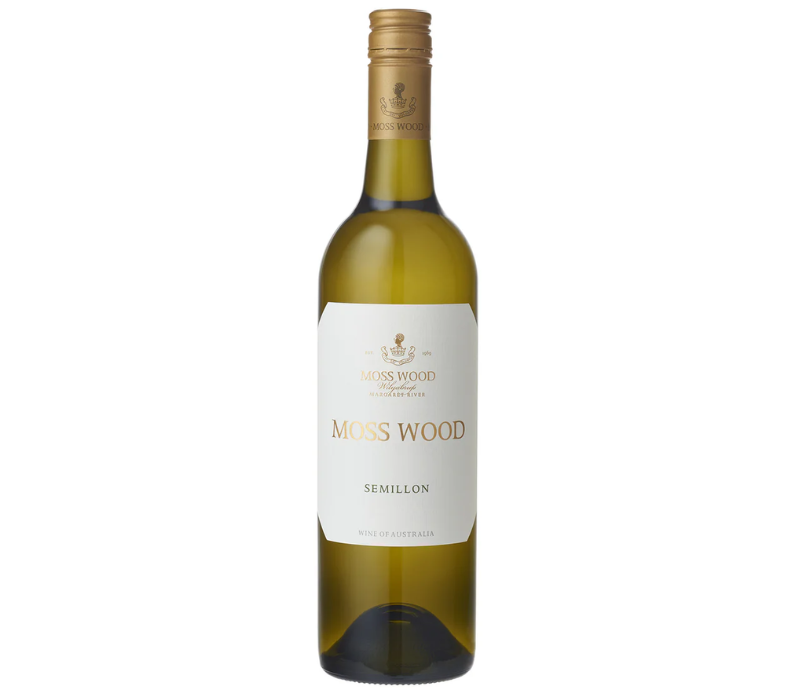
Image: 2018 Moss Wood Ribbon Vale Vineyard Semillon-Sauvignon Blanc, Margaret River, Australia
From Australian freshness to Burgundian precision to mature Champagne, the choices reflect a palate anchored in quality and pedigree.
One “surprise” style moving in your venues
A: “Orange wine.”
Proof that adventurous consumers are pushing boundaries, provided the wines are framed with authenticity and context.
Which importers do you think is executing especially well?
A: ASC Fine Wines, EMW Fine Wines, Summergate Fine Wines.
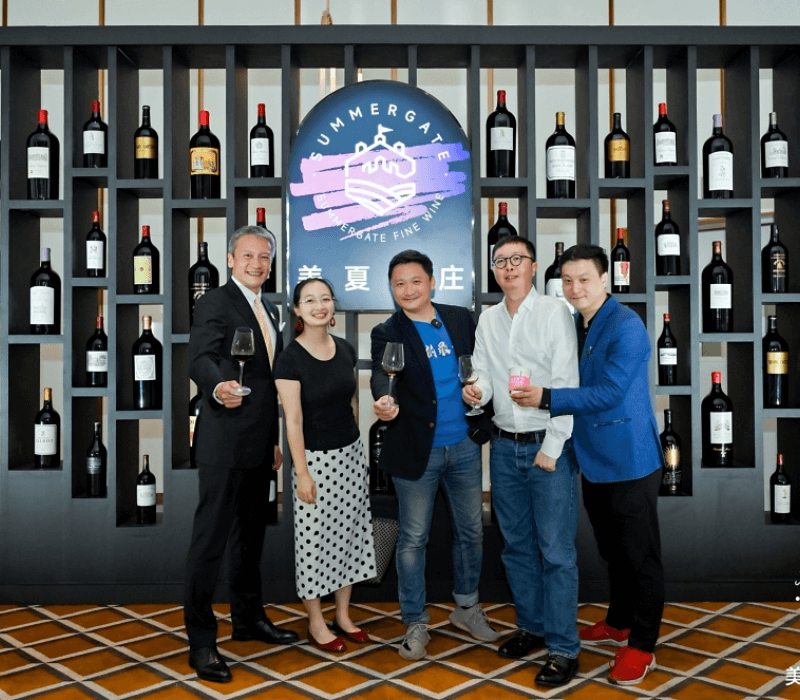
These names continue to set the benchmark in professionalism, network, and distribution strength.
What are the non-negotiables you expect from an importer?
A: “Cold chain (with temperature and humidity control) from door to door (including shipping, warehouses, transits, and in-and-out deliveries) is the most important thing to me. Time is relative, as we all know; things may happen and delay the receiving date. After-sales support is essential, of course, in case something happens before, during, or at delivery.”
Reliability, cold chain, and after-sales support are the bedrock of long-term trust.
What do you look forward to at the China Wine Competition 2025?
A: “Styles/regions, price bands, innovation, on-premise suitability, packaging, sustainability, entire judging process.”
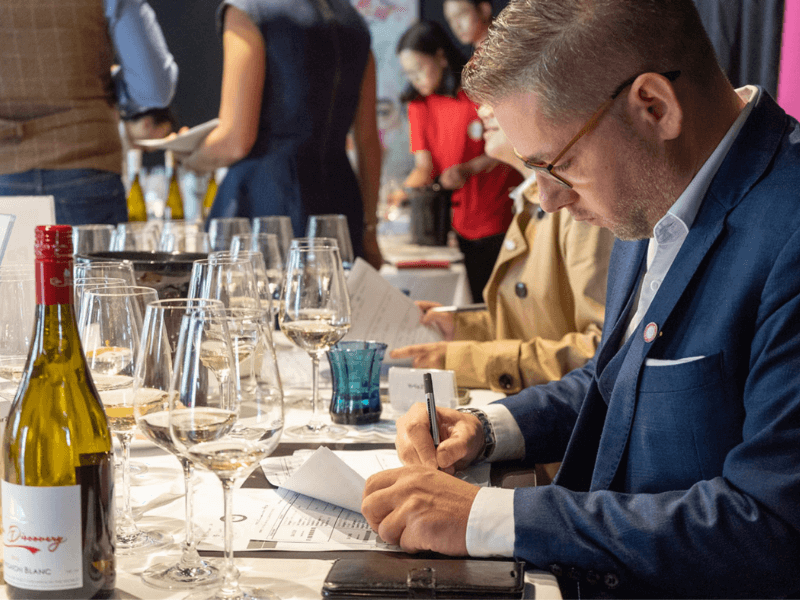
HYGEA’s focus reflects what CWC is all about: wines must fit the market, not just impress on tasting sheets. Producers who show innovation, story, and commercial readiness will stand out.
For entrants, this lens into Hong Kong’s on-premise world highlights the new value equation: wines must be balanced, structured, drinkable, and fairly priced, while also connecting to health-conscious, sustainability-driven, and adventurous consumers. Cold-chain reliability and strong importer partnerships remain essential.
The China Wine Competition 2025 offers producers the chance to prove that their wines are not just technically excellent, but also immediately list-ready for Asia’s most competitive dining rooms.
Also Read:
Q and A: Yohann Jousselin MS, Head of Fine Wines, Kerry Wines
Hong Kong On-Premise, Through Our Judges’ Lens: 2025 Market Insights
China On-Premise, Through Our Judges’ Lens: 2025 Market Insights
The 2025 China Competitions results are now live. View 2025 winners.
Key Dates
Early Bird Deadline: July 31, 2026
Regular Deadline: October 14, 2026
Warehouse Deadline: October 22, 2026
Judging Date: November 10, 2026
Winners Announcement: November 24, 2026