November 10 , 2026, Hong Kong

In conversation with Esther from the China Wine Competition, sharing insights on house style, emerging wine regions, and why clarity matters for wineries entering China.
In a recent conversation with Esther Poon, Head Sommelier, what stood out was her thoughtful and highly intuitive understanding of wine as both a cultural product and a sensory experience. Her journey into wine began on the restaurant floor, where daily service sparked a curiosity about how natural elements, regional traditions, and cultural practices shape the many different styles of wine found around the world.
As the conversation developed, Esther’s perspective became clear: for wineries looking to enter China, standing out does not always mean showing more. Sometimes, it means showing a clearer identity. In a market where producers can easily overwhelm buyers and judges with too many similar cuvées, Esther believes that a strong house style, thoughtful selection, and clear positioning can make all the difference.
Who or what inspired your journey into wine?
I found my interest in wine while working as a server on the floor. It starts with my curiosity, such as natural elements or cultural practices in different styles of wine all over the world.
Favourite restaurant to enjoy wine in your country/region?
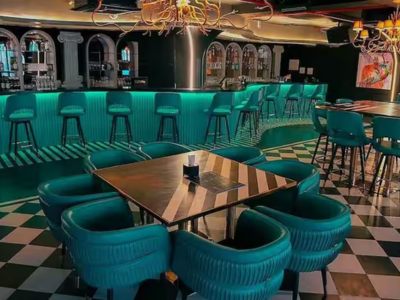
Bar Cyclone
Your go-to wine under $20?
Dog Point Sauvignon Blanc 2023
A wine region you think is underrated?
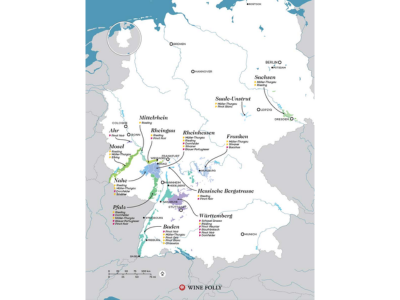
Baden, Germany. Known as the Burgundy style in Germany climate!
One piece of advice you’d give to wineries entering the China Wine Competition?
What makes them unique? Wineries can come with varieties of cuvees and colour, but there is always a point they will be loyal about - maybe oak preference, wine making styles like whole clusters or de-stemmed, or choice of vessels on vinifications.
How important is food compatibility in your scoring? And how do you evaluate this for local cuisines?
I believe wine can be good to drink alone, or wine pairing friendly, or both, sometimes.
Which wine styles or regions are currently in demand in China?
Ningxia. They now put more parts on well-structured whites alongside the original powerful Bordeaux-style reds. It is relatively easier to catch the attention of wine drinkers.
A wine trend you’re excited about for 2026?
Ripe & fresh whites. Ninxia, Central Otago, Walker Bay, Rías Baixas…
What are the common mistakes international producers make when entering China?
Too many similar cuvees, hard to make a first impression about their winery.
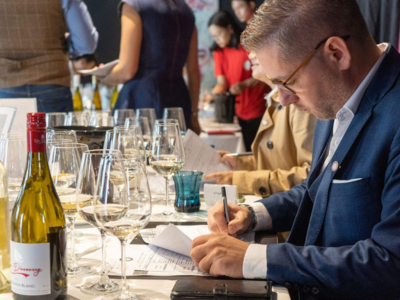
What do you like about the China Wine Competition's judging process?
Nice and clear procedure.
What advice would you give wineries entering China?
Stick with their style in the winery, expressing the house style in a simplified selection of wine products while entering China. Will be easier to stand out in a big-scale competition.
What Esther’s responses highlight is the importance of identity in a competitive and evolving wine market. China is no longer just a destination for established international labels; it is a market where buyers, sommeliers, and consumers are becoming more curious, more selective, and more open to wines that offer both quality and a clear point of view. For producers, this means that entering with too many similar wines can weaken the first impression, while a focused selection can communicate confidence, consistency, and purpose.
Her comments on Ningxia also reflect an important shift in China’s wine conversation. While the region has long been associated with powerful Bordeaux-style reds, Esther points to its growing strength in structured white wines as something that can capture attention among wine drinkers. Alongside regions like Central Otago, Walker Bay, and Rías Baixas, she sees ripe and fresh white wines as a trend to watch in 2026.
This is where the China Wine Competition offers producers more than just a medal opportunity. The judging process is built to reflect real-world market relevance, with wines first evaluated through blind tasting across food parability, typicity, quality, and value. Packaging is then assessed after the blind tasting, allowing judges to evaluate how the wine presents itself commercially. Each entrant receives a detailed score breakdown, giving producers clear feedback on how their wines performed across key criteria.
For wineries looking to enter or grow in China, Esther’s advice is simple but valuable: stay true to your house style, simplify your selection, and make your identity easy to understand. Submissions for the China Wine Competition are currently open, with the Super Early Bird deadline set for May 20, 2026, offering producers a timely opportunity to benchmark their wines for one of the world’s most dynamic wine markets.
Also Read:
Know Your Sommelier: Kelvin Ziea, Chief Sommelier at JW Marriott Hotel Hong Kong
Key Trends Shaping the Alcohol Market in China and Hong Kong
Hong Kong's Wine Scene: Who's Who Of The Wine Business
The 2025 China Competitions results are now live. View 2025 winners.
Key Dates
Early Bird Deadline: July 31, 2026
Regular Deadline: October 14, 2026
Warehouse Deadline: October 22, 2026
Judging Date: November 10, 2026
Winners Announcement: November 24, 2026