November 10 , 2026, Hong Kong

Interviews
Know Your Sommelier: Kelvin Ziea, Chief Sommelier at JW Marriott Hotel Hong Kong
In conversation with Kelvin from the China Wine Competition, sharing insights on food pairing, regional demand, and how wineries can better position themselves in China
In a recent conversation with Kelvin Ziea, Chief Sommelier at JW Marriott Hong Kong, what stood out immediately was his grounded and deeply practical understanding of China’s wine landscape. With years of experience working closely with consumers and evolving wine programs, Kelvin brings a perspective that goes beyond theory, one shaped by real-world demand, shifting preferences, and the undeniable role of food in shaping wine choices across Asia.
As the conversation unfolded, it became clear that for Kelvin, wine is never just about what’s in the glass. It’s about context, culture, cuisine, and how a wine fits into a larger experience. This lens is especially relevant when discussing China, a market that continues to grow in both complexity and opportunity, yet remains widely misunderstood by many international producers.
Who or what inspired your journey into wine?
A bottle of 1989 Lafite that instantly shocks my palate, with tertiary aromas of dried tangerine peel, tobacco, wet forest, and dried fruits.
Favourite restaurant to enjoy wine in your region?
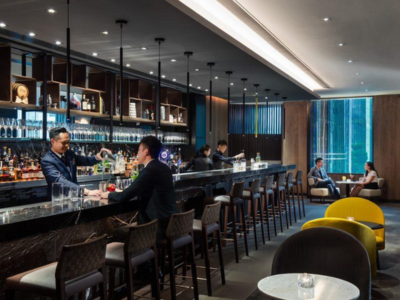
JW Marriott Hong Kong Bar Q88 has over 30+ selections on the wine by the glass program, with a lot of the selections on Happy Hour promotion, buy 1 get one free from Mon to Sat.
Your go-to wine under $20?
Segla, 2nd wine from Rauzan Segla.
A wine region you think is underrated?
Shangri-La from China, 3000 + altitude, strong UV that gives vibrant characteristics to the grapes, micro climate that makes the uniqueness of their style.
One piece of advice to wineries entering China?
Showcase more different ranges from a winery, for example, from most premium to entry level, then those judges would be able to tell the progression of the estate.
How important is food compatibility in your scoring?
It is the primary principle of scoring on wine. I would always think about any particular dishes or cuisines that may work with the wine that I'm evaluating.
Which wine regions are currently in demand in China?
Ningxia is the first region that the Chinese Government gave the classification system since 2013. Also, the producer is radially growing from 200 estates in 2023 to 290 estates in 2025.
A wine trend you’re excited about for 2026?
English sparkling wine that is introducing a lot to the market, giving more definition to their style vs value. Chinese yellow wine also has one of the longest histories within the beverage world, especially for pairing with specific regions like Shanghainese, etc.
What are the common mistakes producers make when entering China?
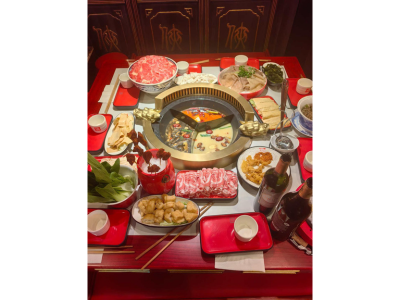
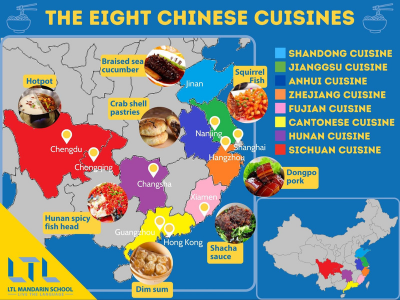
China has a lot of different cuisines, mainly in 8 different types. Producers should be more statistically selling their product depending on the different styles of the cuisine within the region. For Example, Pinot Noir / natural wine mainly focuses on Ningxia as Lamb is their main meat. Off dry style Riesling to Sichuan spicy hotpot.
What do you like about the judging process?
It gave us enough time to do a blind tasting with a lunch break.
Final advice for wineries entering China?
China has a lot of different cuisines, mainly in 8 different types. Producers should be more statistically selling their product depending on the different styles of the cuisine within the region. For Example, Pinot Noir / natural wine mainly focuses on Ningxia as Lamb is their main meat. Off dry style Riesling to Sichuan spicy hotpot.
What Kelvin’s responses reinforce is a broader truth about China: it is not a single, unified market, but a collection of distinct culinary cultures and evolving consumer segments. Success here depends not just on producing quality wine, but on understanding how that wine integrates into everyday consumption, particularly through food. Producers who are able to align their styles with regional cuisines, while clearly presenting a structured portfolio, are far more likely to resonate with both trade buyers and end consumers.
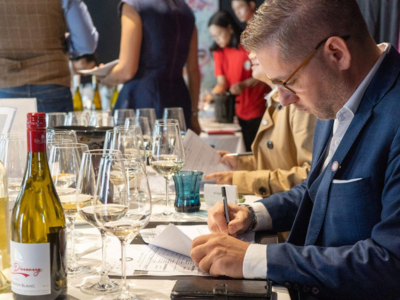
This is also where the China Wine Competition plays a significant role. The judging process is designed to reflect real-world drinking scenarios, with wines first evaluated through blind tasting across food parability, typicity, quality, and value. Only after this stage is packaging assessed, ensuring that both the product and its presentation meet market expectations. Each wine receives a detailed breakdown of its performance, with the final score calculated as the combined result of food parability, typicity, quality, value, and packaging.
For producers looking to enter or expand in China, this offers not just recognition, but insight. Submissions for the China Wine Competition are currently open, with the Super Early Bird deadline set for May 20, 2026, providing an opportunity to benchmark wines against the expectations of one of the most dynamic wine markets globally.
Also Read:
What Sells Wine In Hong Kong? Kevin Suen Shares A Ground-Level View
Key Trends Shaping the Alcohol Market in China and Hong Kong
The Rise of E-commerce in China's Wine Market
The 2025 China Competitions results are now live. View 2025 winners.
Key Dates
Early Bird Deadline: July 31, 2026
Regular Deadline: October 14, 2026
Warehouse Deadline: October 22, 2026
Judging Date: November 10, 2026
Winners Announcement: November 24, 2026